



Taste Receptor
Taste receptors, part of the G protein-coupled receptor (GPCR) family, mediate sweet, umami, and bitter tastes. They are categorized into two families: TAS1R (T1R1, T1R2, T1R3) and TAS2R (25 human isoforms). TAS1Rs function as heterodimers: TAS1R1/TAS1R3 detects umami (L-amino acids), while TAS1R2/TAS1R3 senses sweet compounds (e.g., sucrose). TAS2Rs bind diverse bitter ligands, initiating signaling through Gα-mediated cAMP reduction and Gβγ-dependent phospholipase C (PLC) activation, leading to calcium release. Taste receptors have also been investigated in several cancers including gastrointestinal, pancreatic, breast, thyroid, acute myeloid leukemia, and head and neck squamous cell carcinoma[1].
All Product Categories
-
Taste Receptor Produits associés (28)
Produits associés (28)

- 1
- 2
-
Nα,Nα-Bis(carboxymethyl)-L-lysine
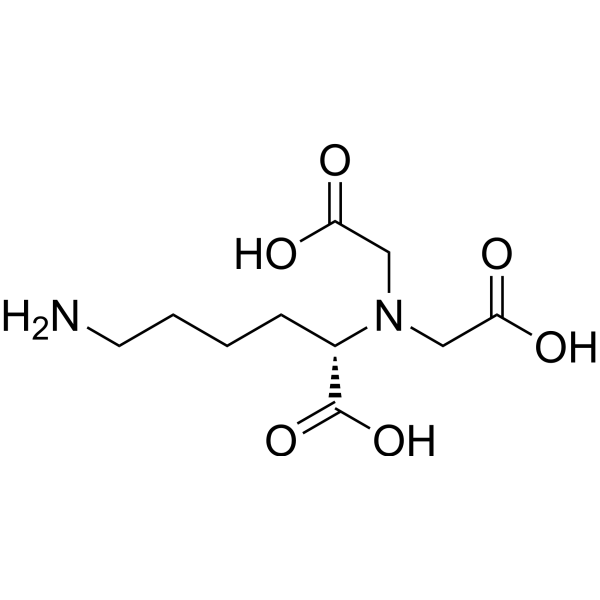 0 ImagesNα,Nα-Bis(carboxymethyl)-L-lysine is a competitive inhibitor of bitter taste receptor 4, with an IC50 of 59 nM. Nα,Nα-Bis(carboxymethyl)-L-lysine can be used in bitter receptors related study.
-
Lactisole
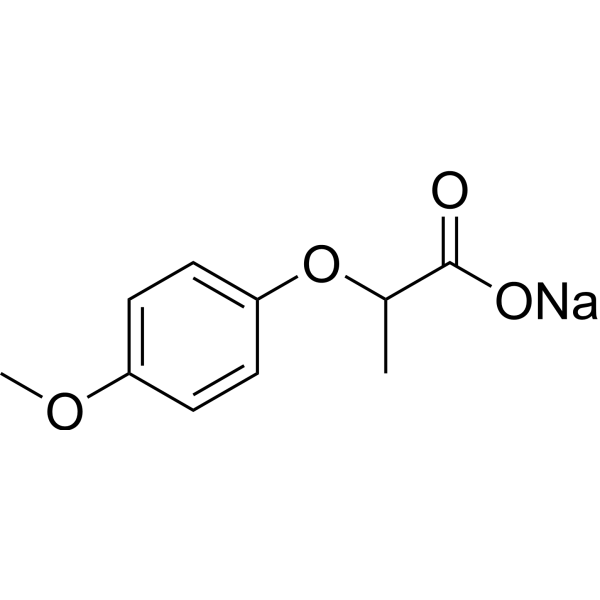 0 ImagesLactisole is a canonical antagonist of sweet taste receptor, selectively targeting to T1R3 subunit, a glucose-sensing receptor. Lactisole inhibits insulin secretion induced by glucose in mouse islets.
-
Neotame
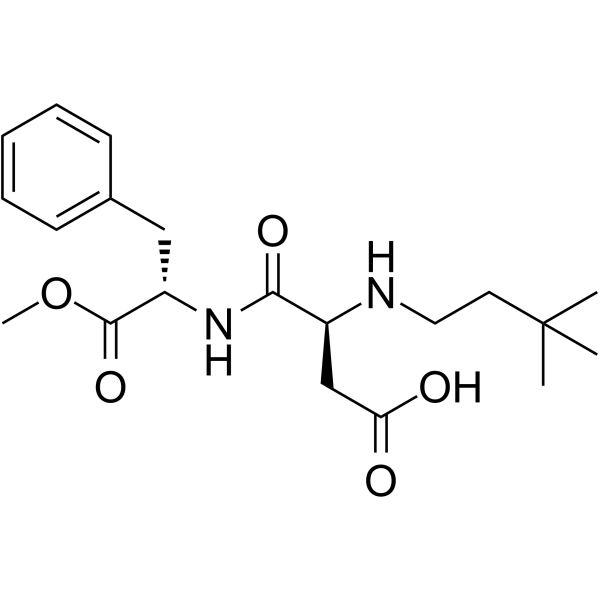 0 ImagesNeotame is a derivative of Aspartame (HY-B0361) and is a flavor enhancer and low-caloric, non-nutritive, high-intensity artificial sweetener that is 7000-13,000 times sweeter than sugar. Neotame causes intestinal epithelial cell death at high concentrations. Neotame induces Apoptosis of Caco-2 cells.
-
TAS2R14 agonist-2
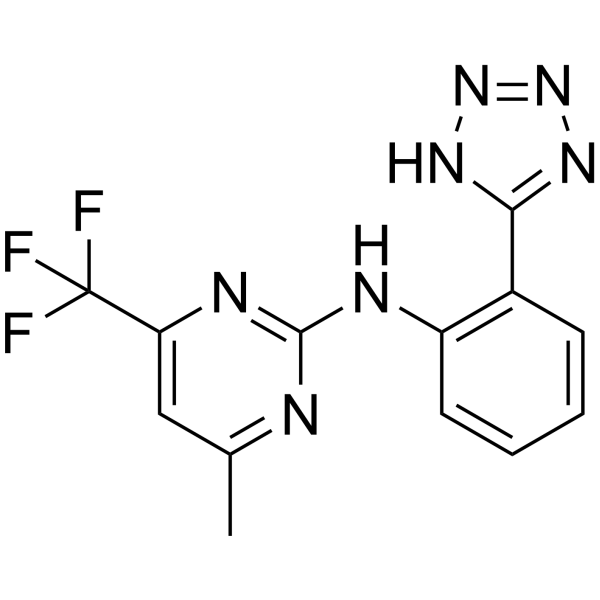 0 ImagesTAS2R14 agonist-2 (compound 28.1) is a potent and selective TAS2R14 agonist with an EC50 value of 72 nM. TAS2R14 agonist-2 reveals marked selectivity over a panel of 24 non-bitter taste human G protein-coupled receptors. TAS2R14 agonist-2 can be used for the studies of asthma or chronic obstructive pulmonary disease.
-
Gymnemic acid I
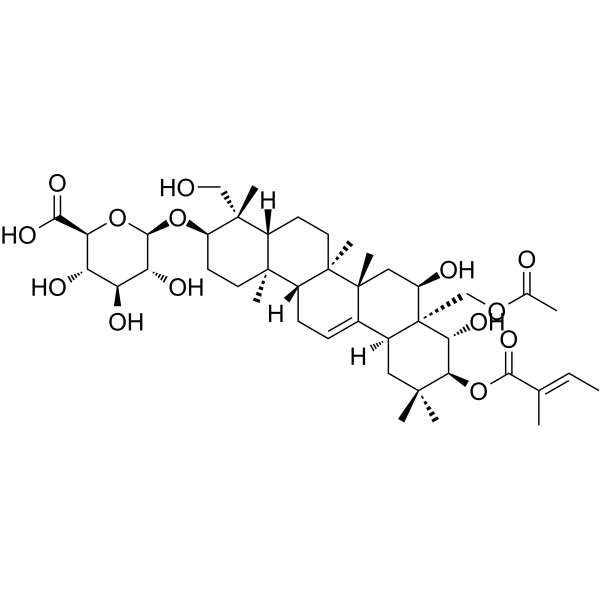 0 ImagesGymnemic acid I is a bioactive triterpene saponin found in Gymnema sylvestre. Gymnemic acid I is an antisweetness inhibitor via human sweet receptor type 1 receptor 2 (T1R2) and T1R3. Gymnemic acid I is a ribosomal protein biosynthesis inhibitor. Gymnemic acid I has antidiabetic effects. Gymnema acid I induces autophagy-protected MIN-6 cells from apoptosis under high glucose stress by inhibiting the phosphorylation activity of mTOR.
-
GIV3727
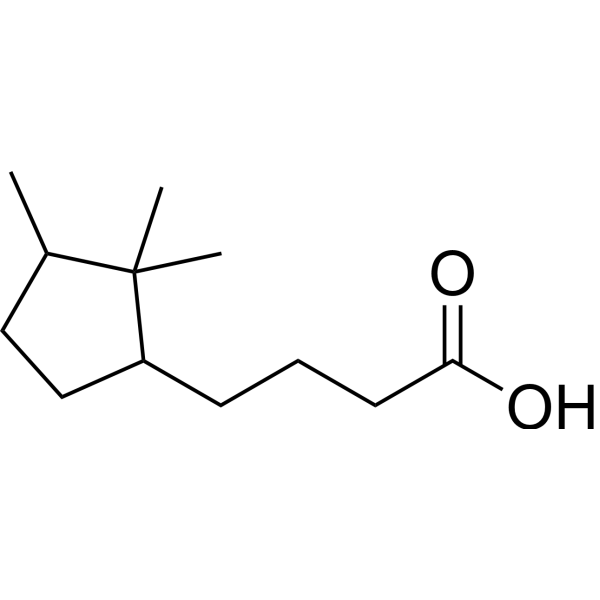 0 ImagesCat. No.: HY-124956CAS No.: 957136-80-0GIV3727 is an orally active bitter taste receptor antagonist targeting TAS2R4, TAS2R7, TAS2R20, TAS2R31, TAS2R40, and TAS2R43, with orthosteric, insurmountable antagonism at hTAS2R31. GIV3727 blocks TAS2R4 and prevents Gallic acid-induced upregulation of GDF15 mRNA expression. GIV3727 inhibits agonist-evoked receptor activation. GIV3727 reduces the perceived bitterness of acesulfame K and saccharin without affecting sweet taste perception. GIV3727 can be used for obesity research.
-
Alitame hydrate (Standard)
 0 ImagesCat. No.: HY-108968RCAS No.: 99016-42-9Alitame (hydrate) (Standard) is the analytical standard of Alitame (hydrate). This product is intended for research and analytical applications. Alitame (hydrate) is a high-intensity sweetener formed from the amino acids L-aspartic acid and D-alanine, and an amine derived from thietane.
-
(R)-(+)-Citronellal
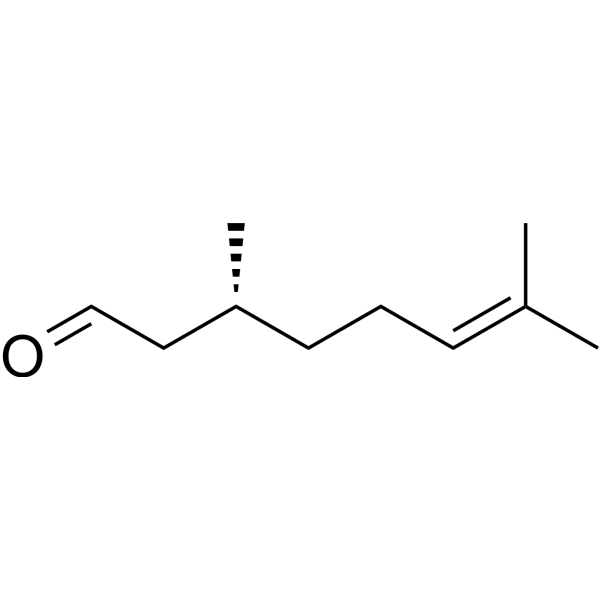 0 Images(R)-(+)-Citronellal ((+)-Citronellal) is a monoterpenoid compound and is one of the main components of essential oils from plants such as lemon grass. (R)-(+)-Citronellal has antibacterial, antifungal, and insecticidal activities. (R)-(+)-Citronellal alleviates the bitterness of caffeine by antagonizing the bitter taste receptors Tas2r43 (IC50 = 84 μM) and Tas2R46. (R)-(+)-Citronellal generates analgesic activity by activating the opioid receptor (broad-spectrum opioid receptor) pathway, and its effect is particularly significant for inflammatory pain.
-
Advantame
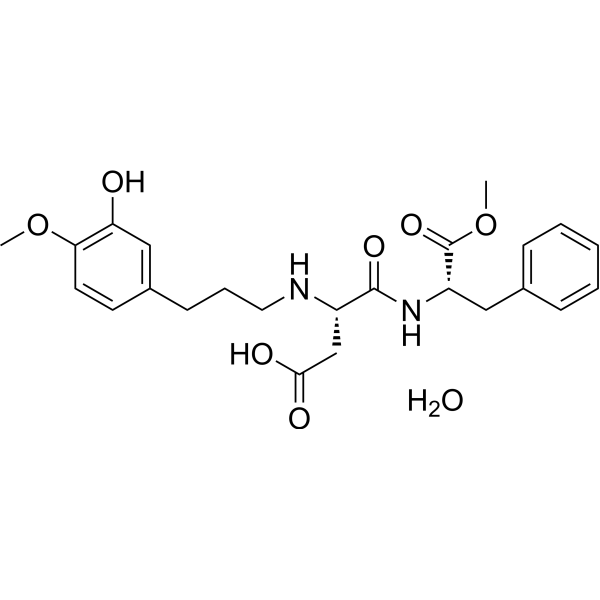 0 ImagesAdvantame is an N-substituted derivative of aspartame. Advantame is a high-intensity, low calorie sweetener. Advantame can interact with plasma protein. Advantame has the potential to produce hypotension and inhibit hERG K+ channel to produce carditoxicity. Advantame binds to T1R2/T1R3 taste GPCR to form an oligomeric functional selectivity of biased heteromers with NMBR to induce a significant sialidase activity in vitro. Advantame has maternal toxicity (gastrointestinal disturbances) in the prenatal developmental toxicity study in rabbits.
-
Dulcoside A
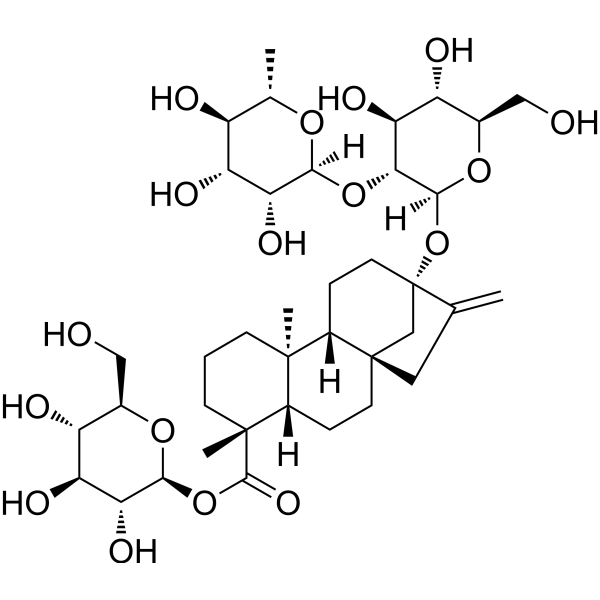 0 ImagesDulcoside A is a glycoside that can be isolated from Stevia rebaudiana that elicits sweet and bitter taste through activation of TAS1R. Dulcoside A also exhibits anti-inflammatory activity.
-
6''-O-Malonylgenistin
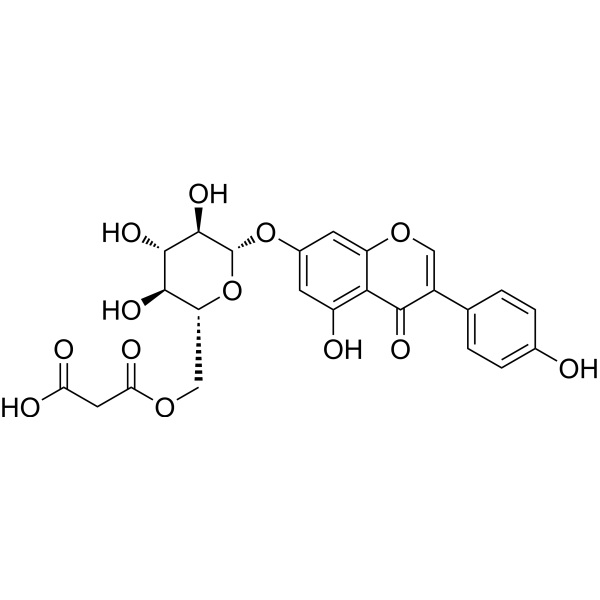 0 ImagesSynonyms: Malonylgenistin; Genistin malonate
-
6-Methoxyflavanone
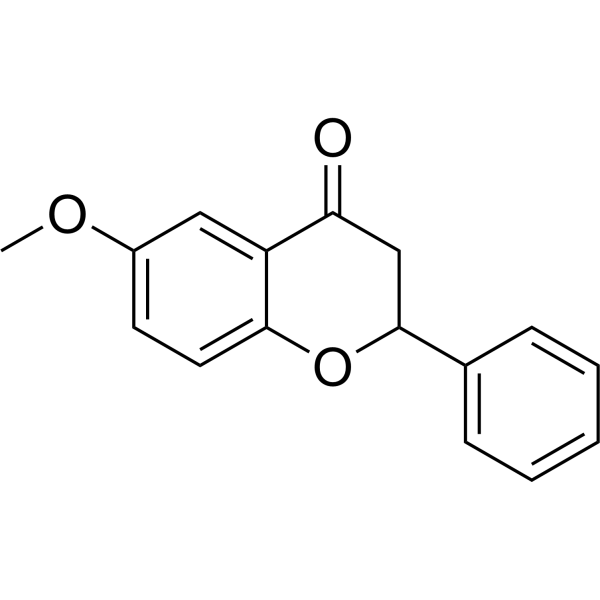 0 Images6-Methoxyflavanone (6-MeOF) is a flavonoid compound that can cross the blood-brain barrier. 6-Methoxyflavanone is a positive allosteric modulator of GABAA receptors. 6-Methoxyflavanone exhibits positive allosteric regulatory effects on human recombinant α1β2γ2L and α2β2γ2L GABAA receptors, and is relatively inactive on the α1β2 GABAA receptor. 6-Methoxyflavanone showes inhibitory behavior towards the activation of bitter receptor hTAS2R39 and hTAS2R14, demonstrating a reversible and non-overcome antagonistic effect. 6-Methoxyflavanone has the effects of anti-anxiety, analgesia and relief of neuropathic pain.
-
S6821
 0 ImagesCat. No.: HY-139899CAS No.: 1119831-25-2S6821 is a TAS2R8 antagonist with IC50 value of 0.035 μM. S6821 is not found to be mutagenic or disruptive in vitro, nor is it found to induce micronucleus in bone marrow polychromatic erythrocytes in vivo.
-
Lactisole free acid
 0 ImagesLactisole free acid is a canonical antagonist of sweet taste receptor, selectively targeting to T1R3 subunit, a glucose-sensing receptor. Lactisole free acid inhibits insulin secretion induced by glucose in mouse islets.
-
Epiquinidine
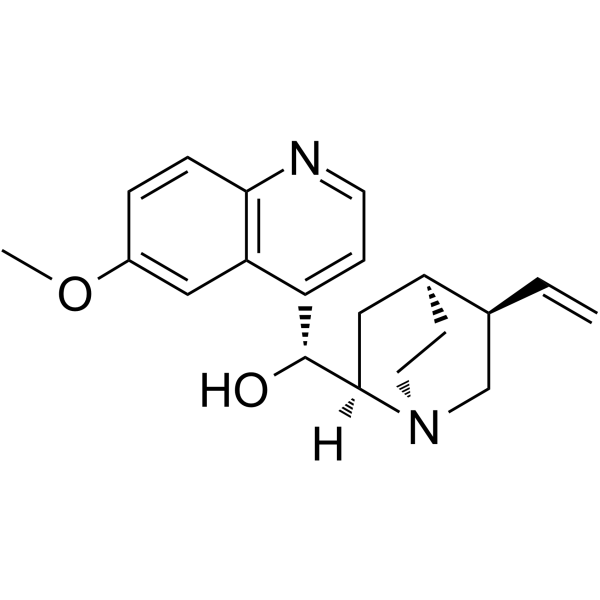 0 ImagesEpiquinidine, a quinine analogue, can be used as the ggTas2r1 agonist. Epiquinidine activates ggTas2r1 at or beyond 10 µM.
-
FEMA 4774
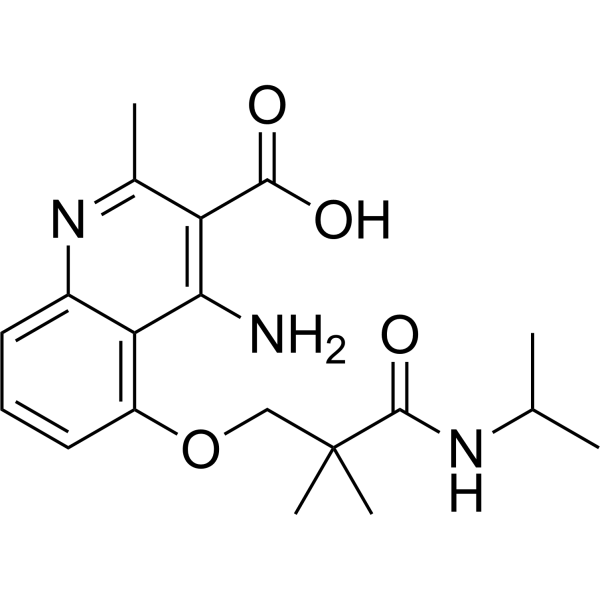 0 ImagesFEMA 4774 is a positive allosteric modulator of taste receptors T1R2 and T1R3, two subunits of the human sweet taste receptor. FEMA 4774 is also used as a sucrose sweetness enhancer.
-
Advantame free acid
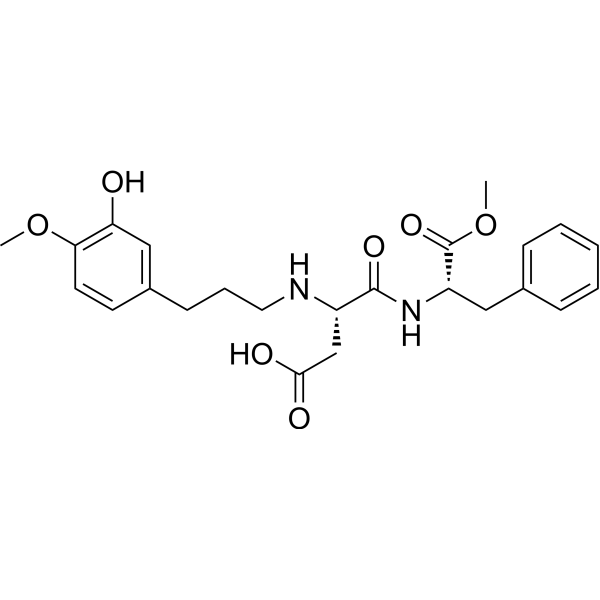 0 ImagesAdvantame is an N-substituted derivative of aspartame. Advantame is a high-intensity, low calorie sweetener. Advantame can interact with plasma protein. Advantame has the potential to produce hypotension and inhibit hERG K+ channel to produce carditoxicity. Advantame binds to T1R2/T1R3 taste GPCR to form an oligomeric functional selectivity of biased heteromers with NMBR to induce a significant sialidase activity in vitro. Advantame has maternal toxicity (gastrointestinal disturbances) in the prenatal developmental toxicity study in rabbits.
-
Denatonium benzoate-d5
 0 ImagesCat. No.: HY-W724355Pureté: 99.9%Synonyms: THS-839-d5Denatonium benzoate-d5 (THS-839-d5) is the deuterium labeled Denatonium benzoate (HY-B1146). Denatonium benzoate (THS-839) is known as the most bitter compound and is commonly used as a deterrent (bittering agent) to activate different types of bitter taste receptors (TAS2Rs) with oral activity. Denatonium benzoate can enhance insulin secretion, has anti-inflammatory effects, and promotes allergy susceptibility.
-
TAS2R14 agonist-1
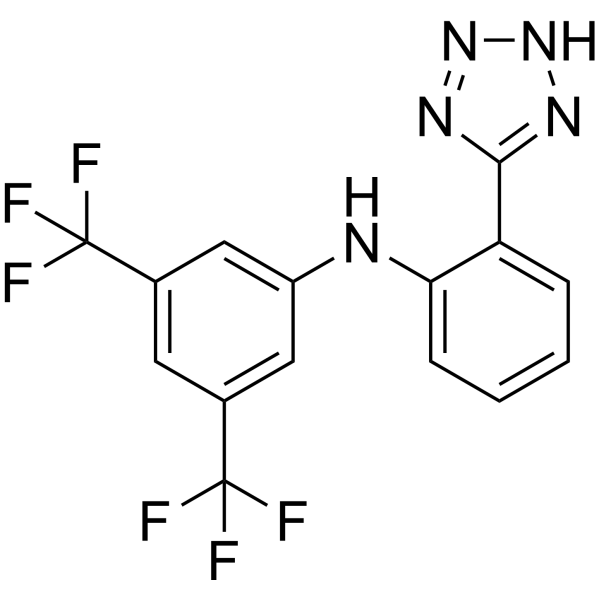 0 ImagesCat. No.: HY-153264CAS No.: 2439115-08-7TAS2R14 agonist is a potent TAS2R14 partial agonist with an EC50 of 116.6 ±23.6 nM.
-
Lactisole free acid (Standard)
 0 ImagesLactisole free acid (Standard) is the analytical standard of Lactisole free acid (HY-W030796). This product is intended for research and analytical applications. Lactisole free acid is a canonical antagonist of sweet taste receptor, selectively targeting to T1R3 subunit, a glucose-sensing receptor. Lactisole free acid inhibits insulin secretion induced by glucose in mouse islets.
- 1
- 2



